

Lowering inflammation doesn't have to be complicated. Most of the time it just comes down to eating more simple, whole foods that help your body do what it's already trying to do.
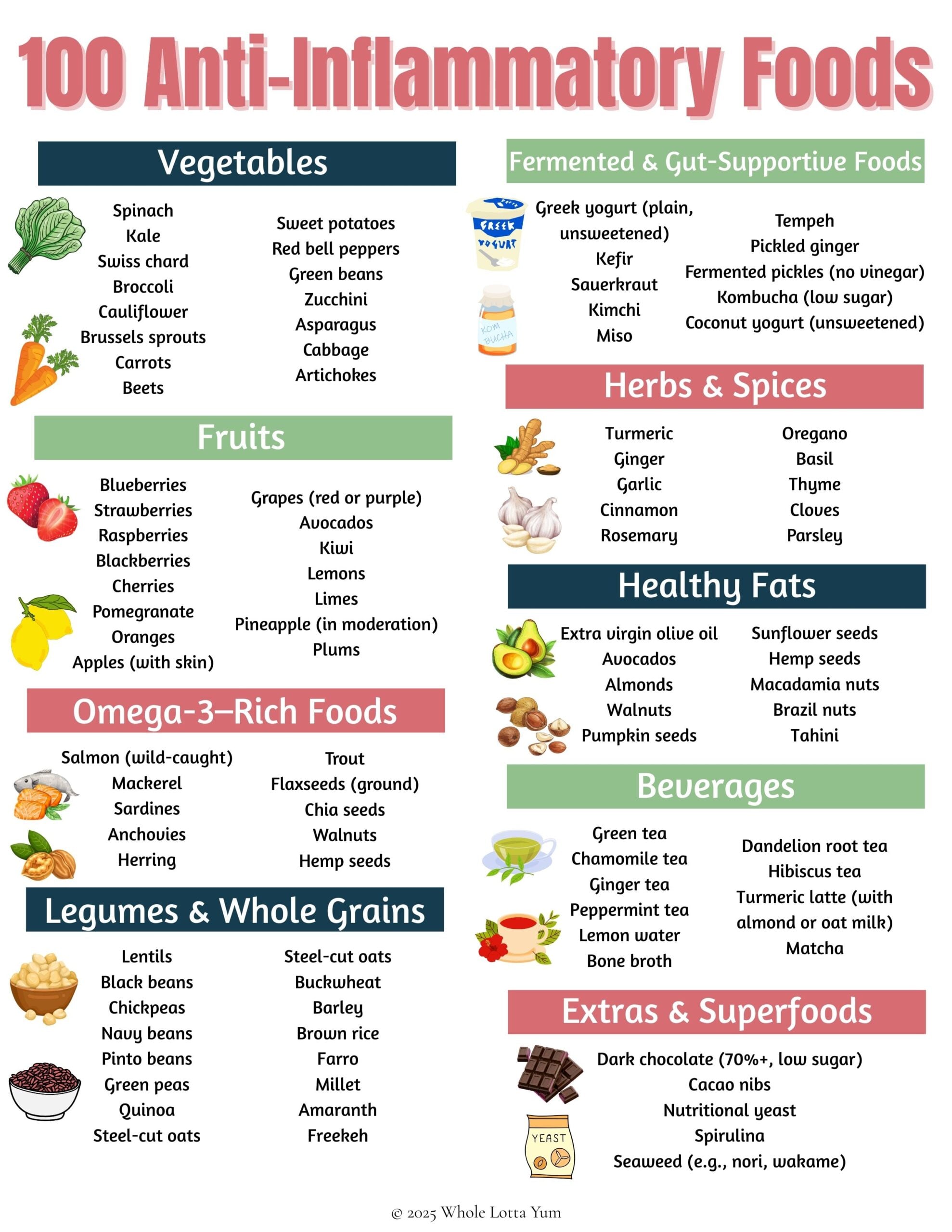
I'm sharing a straightforward list of 100 anti-inflammatory foods you can mix and match to support your hormones, digestion, and everyday energy. You can also download (or screenshot) our free printable PDF list of anti inflammatory foods!
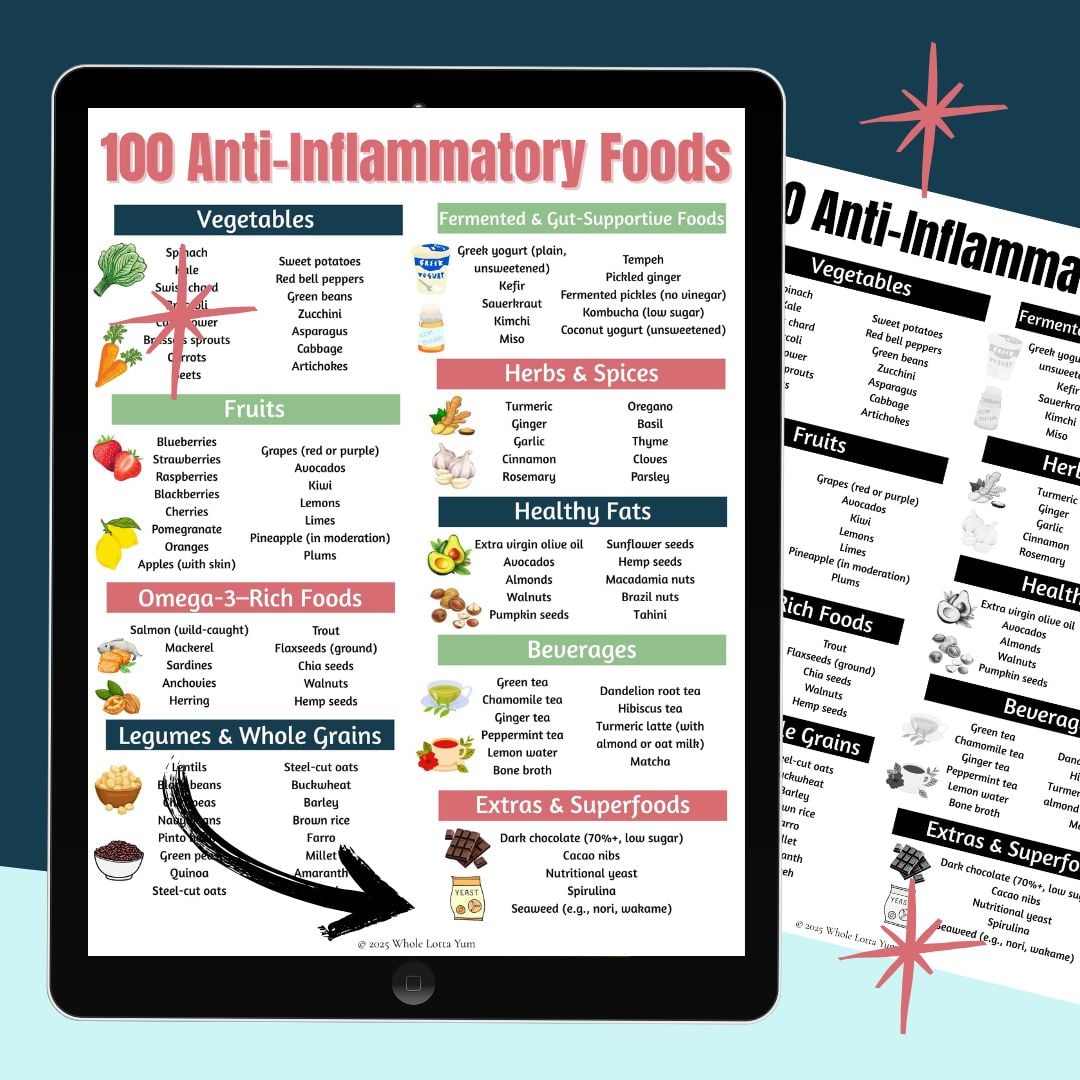
How to Use This Anti-Inflammatory Foods List
You don't need to eat perfectly or overhaul everything at once. Most people use this list as a reference for grocery shopping, meal planning, or simple swaps during the week. I also link to related food lists and easy recipes throughout the post so you can see how these foods actually come together in real meals.
Eating to prevent inflammation doesn't mean you only eat foods from this list. Anti-inflammatory eating isn't about eating perfectly. It's about reducing inflammatory stress overall, supporting blood sugar, digestion, and hormones, and choosing foods that mostly help your body.
Some foods are inflammation-neutral, meaning they don't actively lower inflammation but still support balanced meals and stable blood sugar. Examples include lean proteins like chicken and eggs, plain dairy, whole grains like rice or oats, and simple plant milks.
As someone who has chronic unexplained headaches and food sensitivities, one of the things that has improved my health is increasing the amount of anti inflammatory foods each week. While it's tough to eat this way 24/7, eating healthy whole foods as a reset or as much as possible has greatly improved my personal health. You can read more about my story here.
What are the best foods to eat to reduce inflammation?
Some of the best anti-inflammatory foods include leafy greens, berries, fatty fish, olive oil, nuts, seeds, fermented foods, and herbs like turmeric and ginger. These foods help calm inflammation naturally and support digestion, hormones, and overall health.
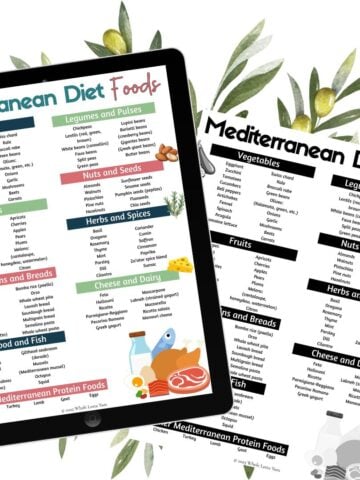
This is closely related to Mediterranean Diet foods, eating higher fiber foods, or Whole30. All of those also prioritize healthy whole foods.
Vegetables
Vegetables are some of the most supportive foods for keeping inflammation down because they're packed with fiber, antioxidants, and nutrients your body uses all day long. Leafy greens, cruciferous veggies, and colorful options like carrots and peppers help keep your blood sugar steady and your digestion happy. Adding a few extra servings each week can make a noticeable difference in how you feel.
- Spinach
- Kale
- Swiss chard
- Broccoli
- Cauliflower
- Brussels sprouts
- Carrots
- Beets
- Sweet potatoes
- Red bell peppers
- Green beans
- Zucchini
- Asparagus
- Cabbage
- Artichokes
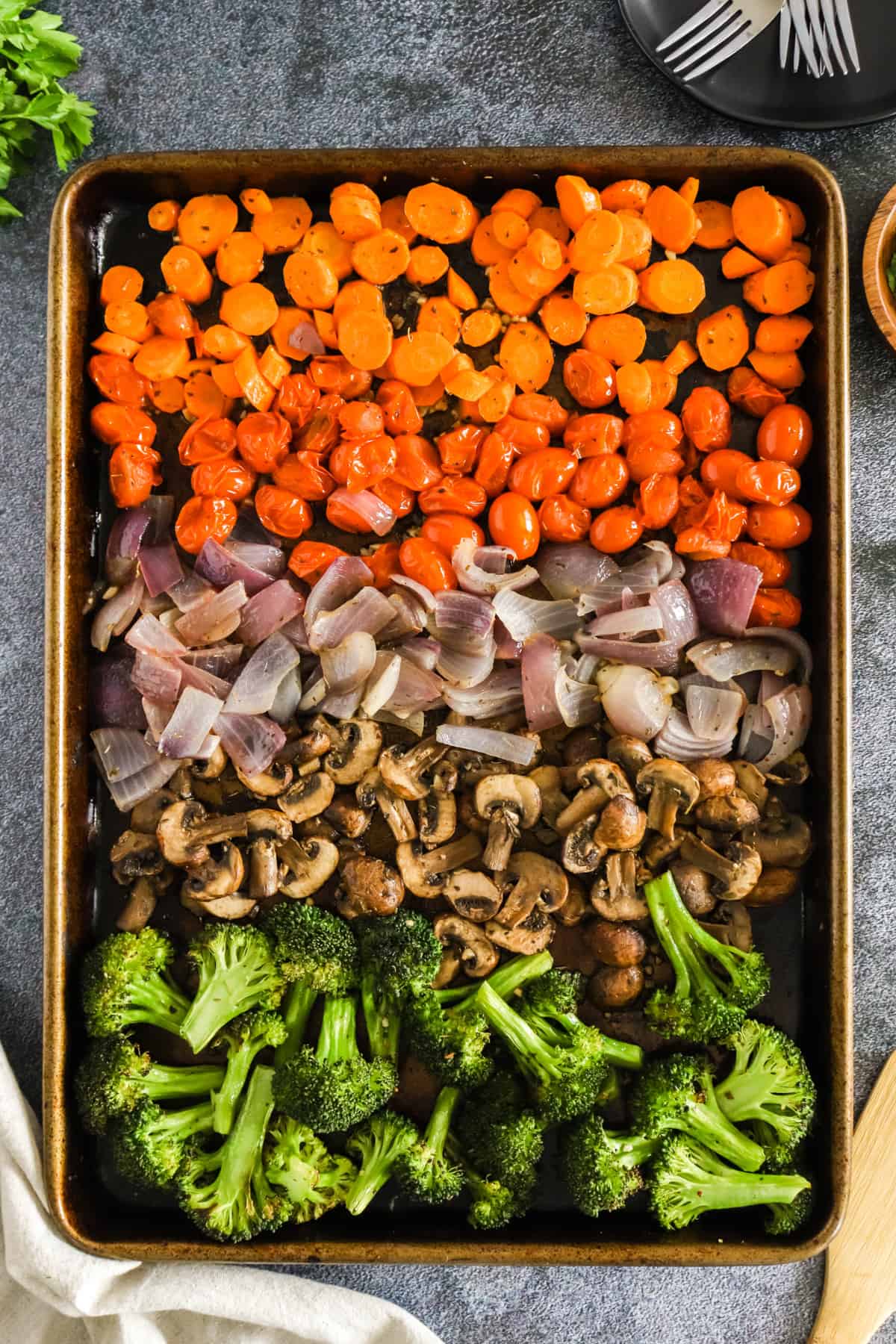
Our favorite anti inflammatory vegetable recipes include our rainbow sheet pan roasted vegetables, our arugula quinoa salad, and our avocado kale salad.
Fruits
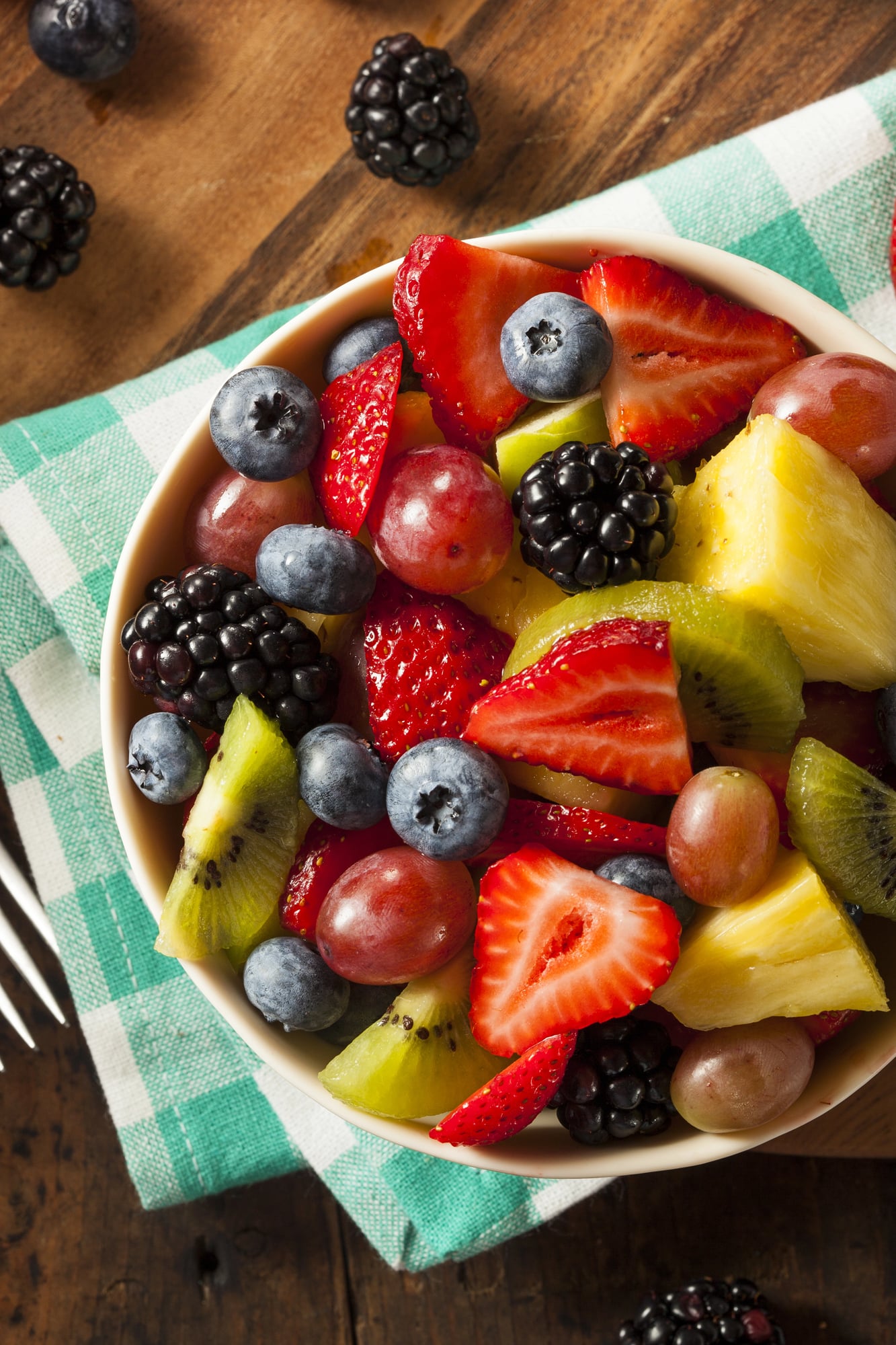
Fruit brings a big dose of antioxidants that help your body recover from stress, support glowing skin, and boost immunity. Berries and citrus are especially powerful, but any deeply colored fruit adds natural protection against inflammation. These are easy to add to smoothies, yogurt bowls, or snacks.
- Blueberries
- Strawberries
- Raspberries
- Blackberries
- Cherries
- Pomegranate
- Oranges
- Apples with skin
- Red or purple grapes
- Avocados
- Kiwi
- Lemons
- Limes
- Pineapple in moderation
- Plums
Omega-3-Rich Foods
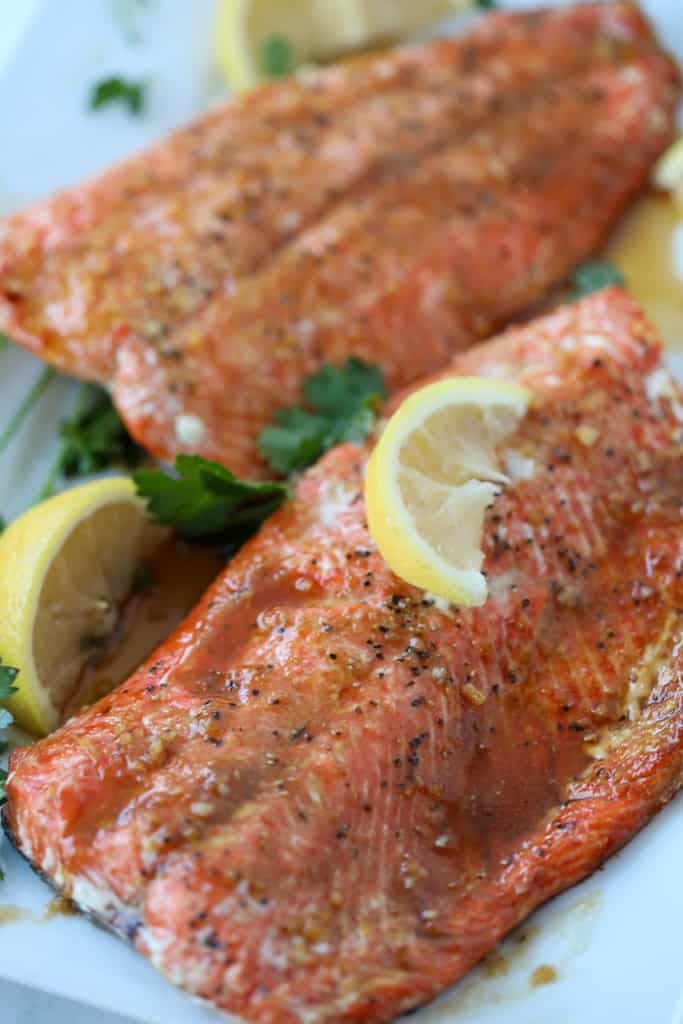
Omega-3 fats help calm inflammation and support your brain, hormones, and heart. Fatty fish offer the most potent benefits, but seeds and nuts like chia, flax, and walnuts are great plant-based additions.
Getting a few servings each week can help with mood, joint comfort, and overall wellness. Our chia seed pudding recipe is great for this!
- Salmon
- Mackerel
- Sardines
- Anchovies
- Herring
- Trout
- Ground flaxseeds
- Chia seeds
- Walnuts
- Hemp seeds
Legumes and Whole Grains
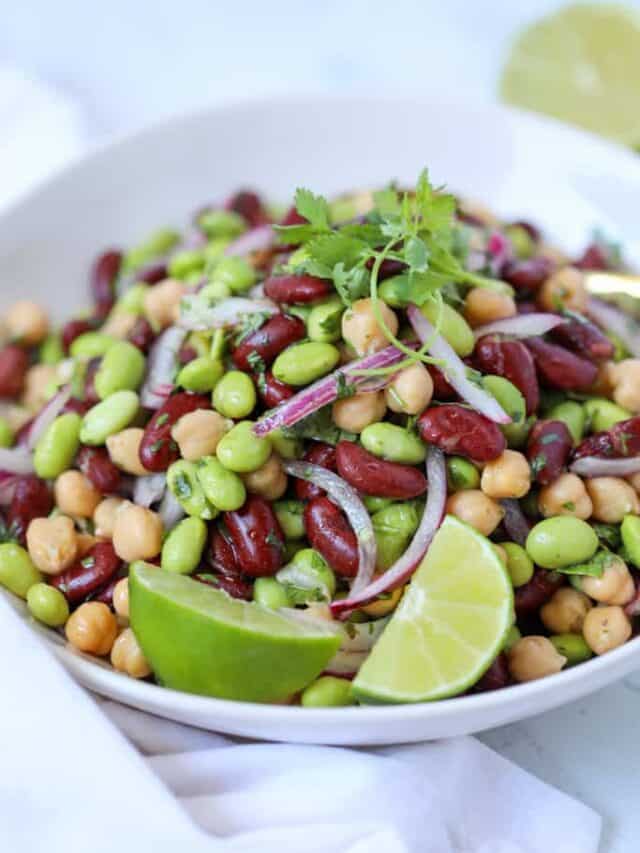
Legumes and whole grains are fantastic for gut health because they're rich in fiber and slow-digesting carbs. This helps keep blood sugar steady and supports healthy digestion, which plays a big role in lowering inflammation. They also keep meals filling and balanced.
- Lentils
- Black beans
- Chickpeas
- Navy beans
- Pinto beans
- Green peas
- Quinoa
- Steel-cut oats
- Buckwheat
- Barley
- Brown rice
- Farro
- Millet
- Amaranth
- Freekeh
Fermented and Gut-Supportive Foods
Your gut is one of the biggest players in your inflammation levels, and fermented foods help keep things running smoothly. Foods like yogurt, kefir, kimchi, and sauerkraut add probiotics that strengthen the gut lining and support immunity. Even adding small servings throughout the week can help with digestion and bloat.
- Greek yogurt plain and unsweetened
- Kefir
- Sauerkraut
- Kimchi
- Miso
- Tempeh
- Pickled ginger
- Fermented pickles without vinegar
- Low sugar kombucha
- Unsweetened coconut yogurt
Herbs and Spices
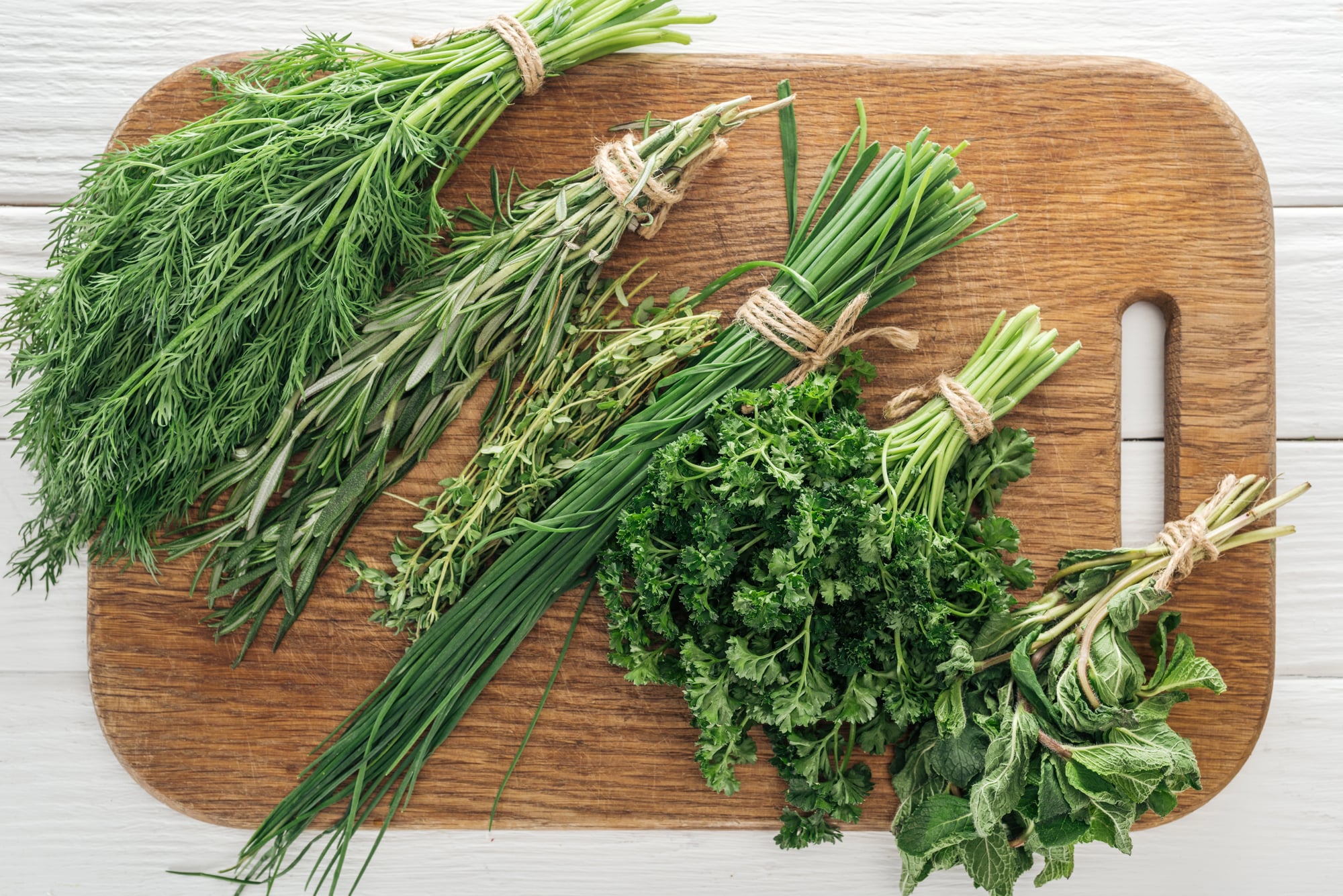
Herbs and spices are tiny but mighty when it comes to anti-inflammatory benefits. Turmeric, ginger, garlic, and cinnamon help support digestion, immunity, and blood sugar, while fresh herbs add antioxidants and flavor. Think of these as easy add-ins that support your health without changing how you eat.
- Turmeric
- Ginger
- Garlic
- Cinnamon
- Rosemary
- Oregano
- Basil
- Thyme
- Cloves
- Parsley
Healthy Fats
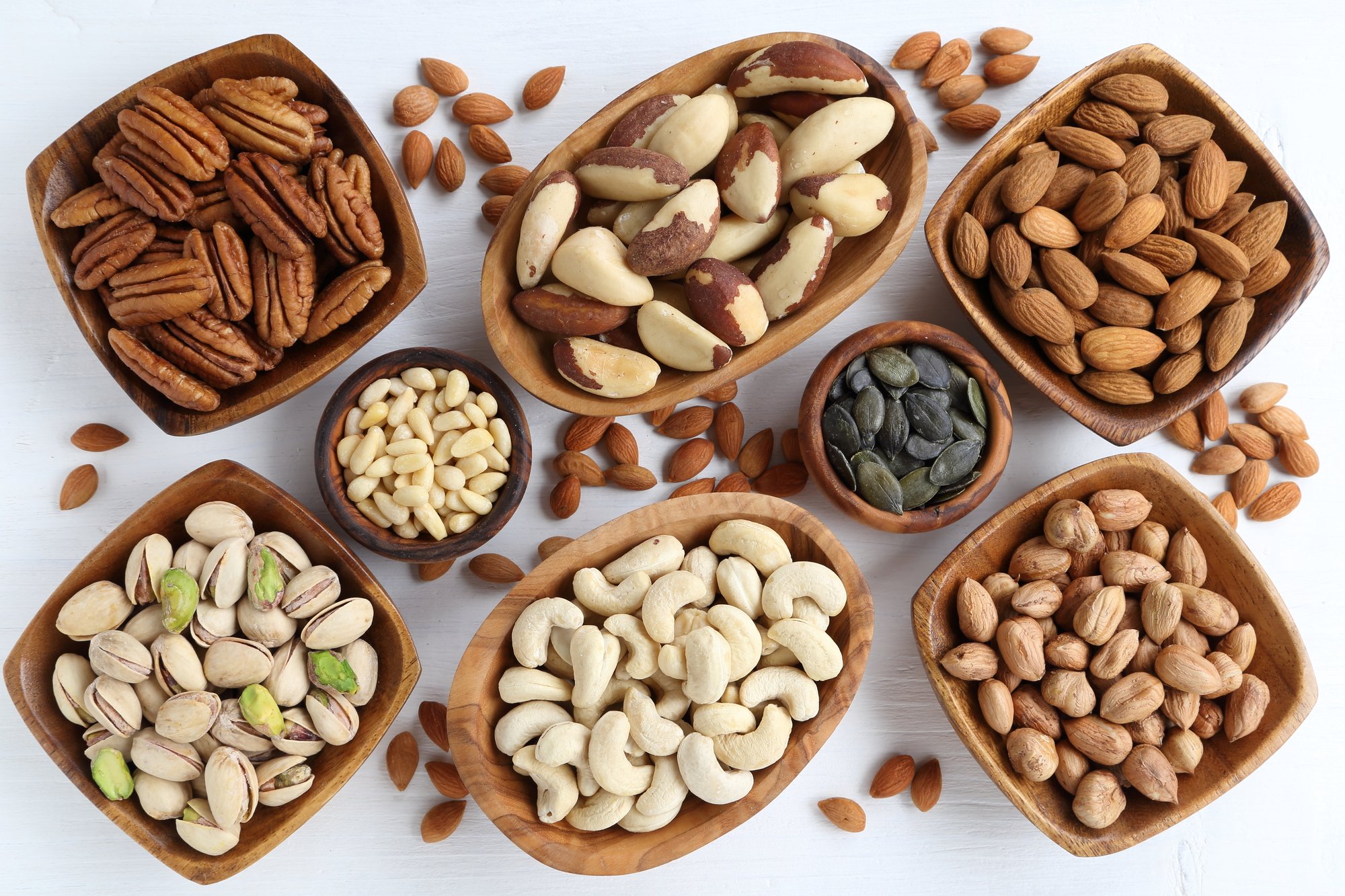
Healthy fats help keep hormones balanced, support your brain, and reduce inflammation. Olive oil, nuts, seeds, and avocados all provide nourishing fats that help keep you full and energized. These are great for cooking, snacking, or topping meals.
- Extra virgin olive oil
- Avocados
- Almonds
- Walnuts
- Pumpkin seeds
- Sunflower seeds
- Hemp seeds
- Macadamia nuts
- Brazil nuts
- Tahini
Beverages
Anti-inflammatory drinks are an easy way to support hydration, digestion, and stress levels. Green tea and matcha are rich in antioxidants, while herbal teas help calm the gut and promote relaxation. Bone broth and lemon water are also great for supporting immunity and overall balance.
- Green tea
- Chamomile tea
- Ginger tea
- Peppermint tea
- Lemon water
- Bone broth
- Dandelion root tea
- Hibiscus tea
- Turmeric latte with almond or oat milk
- Matcha
Extras and Superfoods
These little extras deliver concentrated benefits without much effort. Dark chocolate, cacao nibs, spirulina, nutritional yeast, and seaweed bring minerals, antioxidants, and immune support. They're great for tossing into smoothies, bowls, or snacks for an extra boost.
- Dark chocolate 70 percent or higher
- Cacao nibs
- Nutritional yeast
- Spirulina
- Seaweed such as nori or wakame
FAQ: Anti-Inflammatory Foods
What foods should I avoid if I'm trying to lower inflammation?
Highly processed foods, refined oils, sugary snacks, and anything that spikes blood sugar quickly can increase inflammation. Many people also notice higher inflammation from alcohol, fried foods, and artificial ingredients. Focusing on whole foods makes the biggest difference.
Do anti-inflammatory foods help with hormone balance?
Yes. Many anti-inflammatory foods support blood sugar stability, gut health, and healthy fats, which are all essential for hormone regulation. Foods like salmon, avocados, nuts, seeds, greens, and berries are especially helpful.
Can I follow an anti-inflammatory diet if I'm low carb or high protein?
Definitely. Most anti-inflammatory foods naturally overlap with macro-friendly, high protein, and lower carb eating styles. Choose protein plus veggies, healthy fats, and berries, and you have the foundation for both.
Is protein anti-inflammatory?
Protein itself is mostly neutral, not directly anti-inflammatory like berries or olive oil. That said, eating enough high-quality, minimally processed protein helps stabilize blood sugar and support hormones, which can reduce inflammatory stress on the body over time.
If you've been around here for a while, you know we love our protein. We focus on lean, high-quality protein sources and build meals around whole foods that support balance and energy.
How long does it take to see benefits from eating anti-inflammatory foods?
Most people feel improvements in digestion, energy, and bloating within a few days. Hormone balance, skin changes, and joint comfort may take a few weeks of consistent eating. Small shifts add up quickly.
Do I need supplements to follow an anti-inflammatory diet?
Not necessarily. Whole foods go a long way, especially when you include omega-3s, leafy greens, herbs, and fermented foods. Supplements can help fill gaps, but they aren't required to get results.

Leave a Reply